

A Legacy of Precision: The Department of Interventional Radiology at KMCH
Established in 1991, the Department of Interventional Radiology at Kovai Medical Center and Hospital (KMCH) has spent the last 35 years at the vanguard of minimally invasive medicine. What began as a pioneering venture has evolved into a premier Center of Excellence in Southeast Asia, transforming the landscape of surgical care through “pinhole” precision.
Excellence in Training and Expertise
The department is spearheaded by four dedicated full-time consultants, whose collective expertise has positioned the center as a regional leader. This commitment to clinical excellence is matched by a robust academic foundation:
- National Recognition: The department is recognized by the National Board of Examinations (NBE) as a top-tier training center.
- Specialized Training: It is allotted three seats per year for advanced fellowship training, mentoring the next generation of interventional specialists.
Specialized Sub-Divisions
KMCH categorizes its interventions into three specialized pillars to ensure targeted, high-level care:
- Neuro Intervention: Treating complex vascular disorders of the brain, including stroke, aneurysms, and arteriovenous malformations.
- Peripheral Vascular Intervention: Managing circulatory issues throughout the body, such as limb-saving procedures for diabetic foot or varicose vein treatments.
- Non-Vascular Interventions & Ablative Therapy: Utilizing image-guided techniques to treat tumors (oncology) and other organ-specific conditions without traditional surgery.
A History of Firsts
The department holds the distinction of introducing many of South India’s most complex interventions. Today, the center is a global destination for:
- Complex Embolization: Specialized procedures to block abnormal blood vessels or "starve" tumors of their blood supply.
- Advanced Ablative Treatments: Precise destruction of diseased tissue using thermal or chemical energy.
- Pinhole Surgery: Performing life-saving procedures through an incision no larger than a needle-prick, ensuring faster recovery and minimal scarring.
“Our journey from 1991 to today has been defined by a single goal: replacing major surgeries with minor incisions while maintaining the highest clinical outcomes.”
- Area of Work: Minimally invasive, pinhole image-guided therapies.
- Dr. Mathew Cherian :- Lead Consultant, Neuro Intervention
- Dr. Venkatesh Kasi :- Lead Consultant Ablative therapy
- Dr. Santhosh P :- Consultant Interventional Radiology
Procedures Performed:
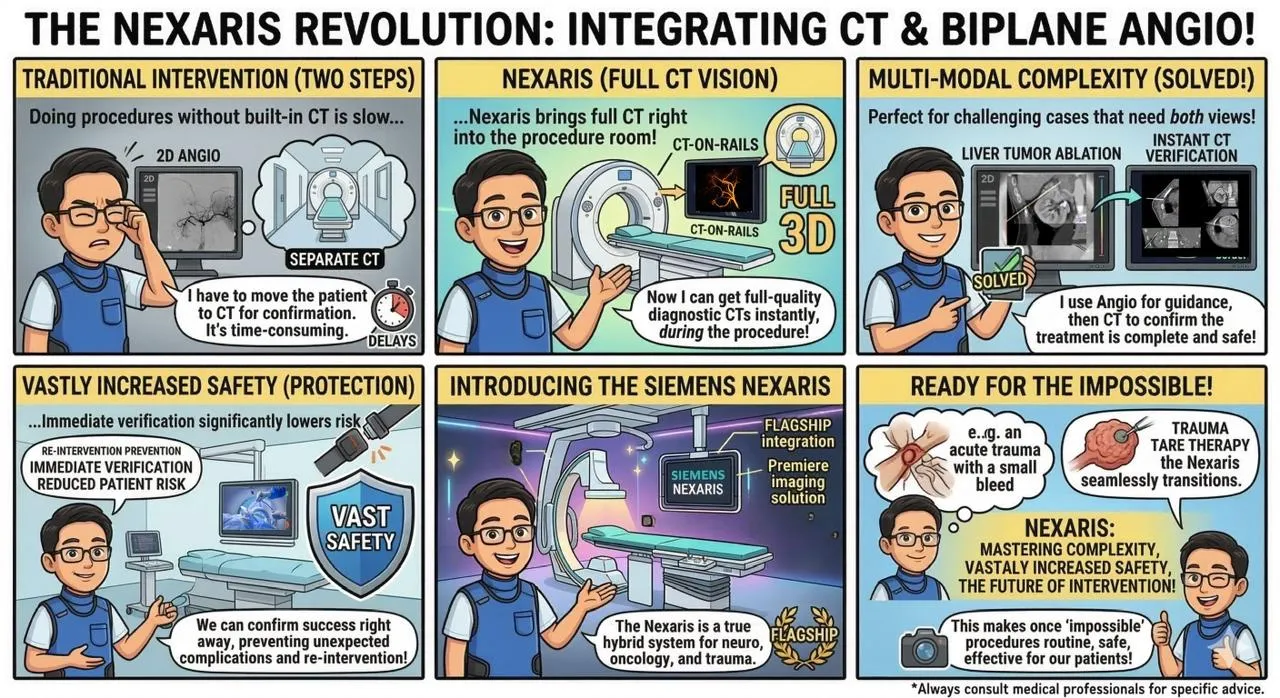
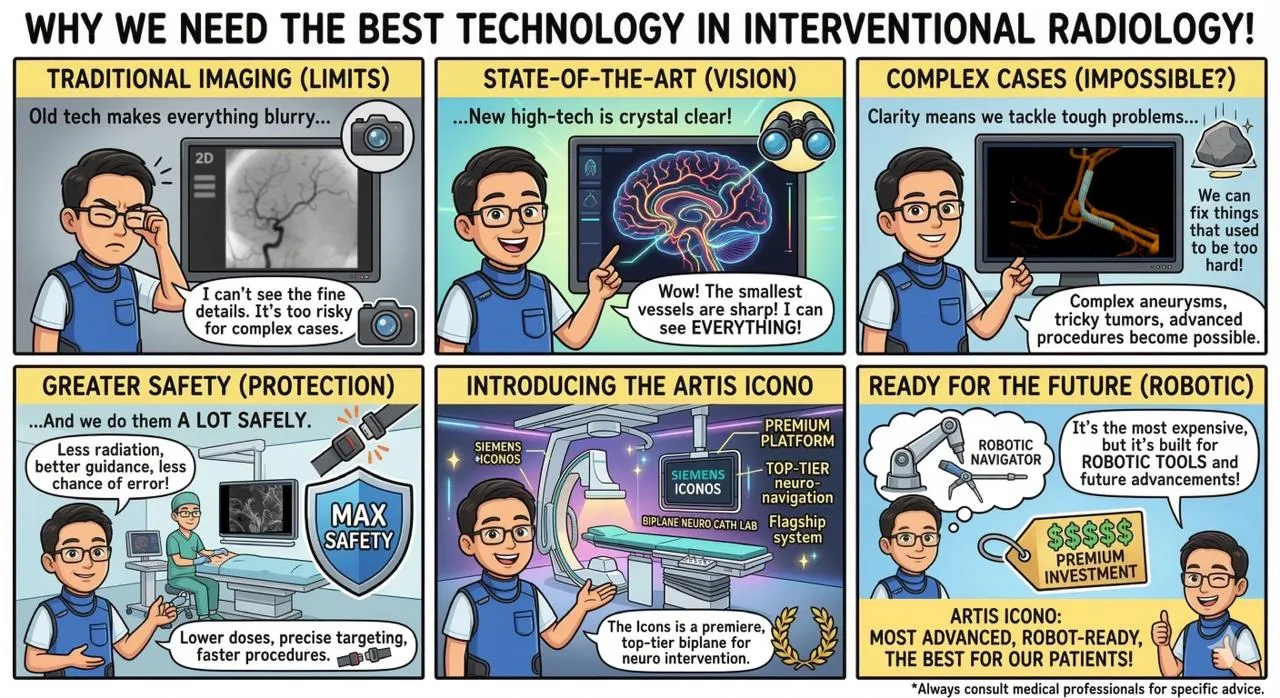
At KMCH, these procedures are performed in state-of-the-art Digital Subtraction Angiography (DSA) suites, ensuring maximum safety and precision.
Neuro Intervention
Neuro Intervention
Focus: Brain, Spine, and Head & Neck Vascular Disorders.
Procedure Methods:
- Ischemic Stroke: Mechanical Thrombectomy:-
24×7 emergency clot retrieval for acute Large Vessel Occlusion (LVO). - Aneurysm Therapy: Endosaccular Devices (e.g., WEB):- Treatment of wide-necked bifurcation aneurysms without the need for long-term blood thinners.
Flow Diverters & Coiling:-Management of complex, giant, or ruptured intracranial aneurysms. - Subdural Hematoma: MMA Embolization:-Middle Meningeal Artery (MMA) embolization for Chronic Subdural Hematoma (cSDH) to prevent recurrence.
- Intracranial Hypertension: Cerebral Venous Stenting:-Treatment for Idiopathic Intracranial Hypertension (IIH) and venous sinus stenosis.
- Vascular Malformations: AVM & dAVF Embolization:-
Use of liquid embolic agents (Onyx/Squid) for brain/spinal malformations and dural fistulas. - Tumors & Spine: Pre-op Tumor :-Devitalization of meningiomas and glomus tumors; Vertebroplasty for painful spinal fractures.
Embolization - Carotid/Stenting: Carotid & Intracranial Stenting:- Treatment of extracranial carotid stenosis and intracranial atherosclerotic disease.
Peripheral Vascular & Embolization
Peripheral Vascular & Embolization
Focus: Arterial/Venous Diseases of the Body and Life-Saving Embolization.
Procedure Methods:
- Arterial Disease: Limb Salvage (Angioplasty/Stenting):-
Treatment for Peripheral Arterial Disease (PAD), diabetic foot, and critical limb ischemia. - Aortic aneurysms: Aortic Interventions (EVAR/TEVAR):- Stent-graft repair of abdominal and thoracic aortic aneurysms.
- Venous Disease: Varicose Vein Ablation (RFA/EVLT):-
Minimally invasive thermal treatment for chronic venous insufficiency.
DVT Thrombectomy/Stenting:-Acute clot removal and iliac vein stenting (May-Thurner Syndrome). - Specific Embolization: PAE, UAE, & GAE:-
Prostate (BPH), Uterine Fibroids, and Chronic Knee Pain (Genicular Artery).
Bronchial & GI Embolization:- Management of massive hemoptysis (coughing blood) and acute GI bleeding. - Vascular Access: Dialysis Access Salvage:- Angioplasty for failing AV fistulas and central vein stenosis.
- Vascular Malformations: Sclerotherapy:- Treatment of low-flow venous and lymphatic malformations of the body and face.
Hepatobiliary, Oncology & Ablative Therapy
Hepatobiliary, Oncology & Ablative Therapy
Focus: Interventional Oncology (IO) and Complex Liver/Organ Interventions.
Procedure Methods:
- Interventional Oncology: TACE & TARE (Y90):-Chemoembolization and Radioembolization for primary liver cancer (HCC) and metastases.
Tumor Ablation (RFA/Microwave):-Thermal destruction of small tumors in the liver, lung, kidney, and bone. - Portal Hypertension and Variceal bleeding: TIPS / DIPS:-Portosystemic shunts to manage refractory ascites and variceal bleeding in cirrhosis.
BRTO / PARTO:-Specialized occlusion of gastric varices to prevent life-threatening hematemesis. - Prior to hepatic surgery: Portal Vein Embolization (PVE):- Inducing liver growth prior to major surgical resection of liver tumors.
- Biliary & GI: PTBD & Biliary Stenting:- Relief of obstructive jaundice caused by stones or malignancies.
Percutaneous Gastrostomy (PEG):- Image-guided feeding tube placement. - Uroradiology: PCN & Ureteric Stenting:-Management of kidney obstruction and hydronephrosis.
Renal Angiomyolipoma Embolization:-Preventing hemorrhage in large benign kidney tumors.
Research & Publications:

Dr. Mathew Cherian
A pioneer of Interventional Radiology in India, Dr. Mathew Cherian’s research focuses on the expansion of endovascular neuro-interventions and the development of carbon dioxide (CO2) angiography as a safer alternative for patients with renal impairment. His extensive body of work includes high-impact studies on the management of intracranial aneurysms, carotidocavernous fistulas, and the treatment of complex vascular malformations. He is also recognized for his research in peripheral vascular disease and bronchial artery embolization for life-saving hemoptysis management.
Dr. Pankaj Mehta
Dr. Pankaj Mehta’s research is primarily centered on emergency interventional radiology and the management of acute ischemic stroke. His clinical investigations focus on optimizing “pinhole” techniques for peripheral vascular interventions and improving outcomes in critical care radiology. He has contributed significantly to multi-disciplinary studies involving vascular access and the use of embolic agents in treating acute hemorrhages, ensuring the integration of rapid IR response in trauma care.
Dr. Santhosh Poyyamoli
Dr. Santhosh Poyyamoli specializes in interventional neuroradiology and advanced cardiovascular imaging. His recent research explores the efficacy of Middle Meningeal Artery (MMA) embolization for chronic subdural hematomas and the use of susceptibility-weighted imaging (SWI) to predict the etiology of acute large vessel occlusions. He is also actively involved in researching non-vascular and vascular interventions in gynecology, as well as the management of rare renal vascular lesions and visceral artery aneurysms.
Dr. Venkatesh Kasi (Arunachalam)
Dr. Venkatesh Kasi focuses his research on interventional oncology and the management of chronic venous diseases. He leads clinical research in the Vein Clinic, specifically investigating the comparative outcomes of radiofrequency ablation, microwave ablation, and VenaSeal for varicose veins. Additionally, his work involves hepatobiliary interventions and the application of thermal ablation (RFA/MWA) for treating tumors in the liver, kidney, and bone, alongside research into image-guided pain management.